Insights · Vehicle distribution
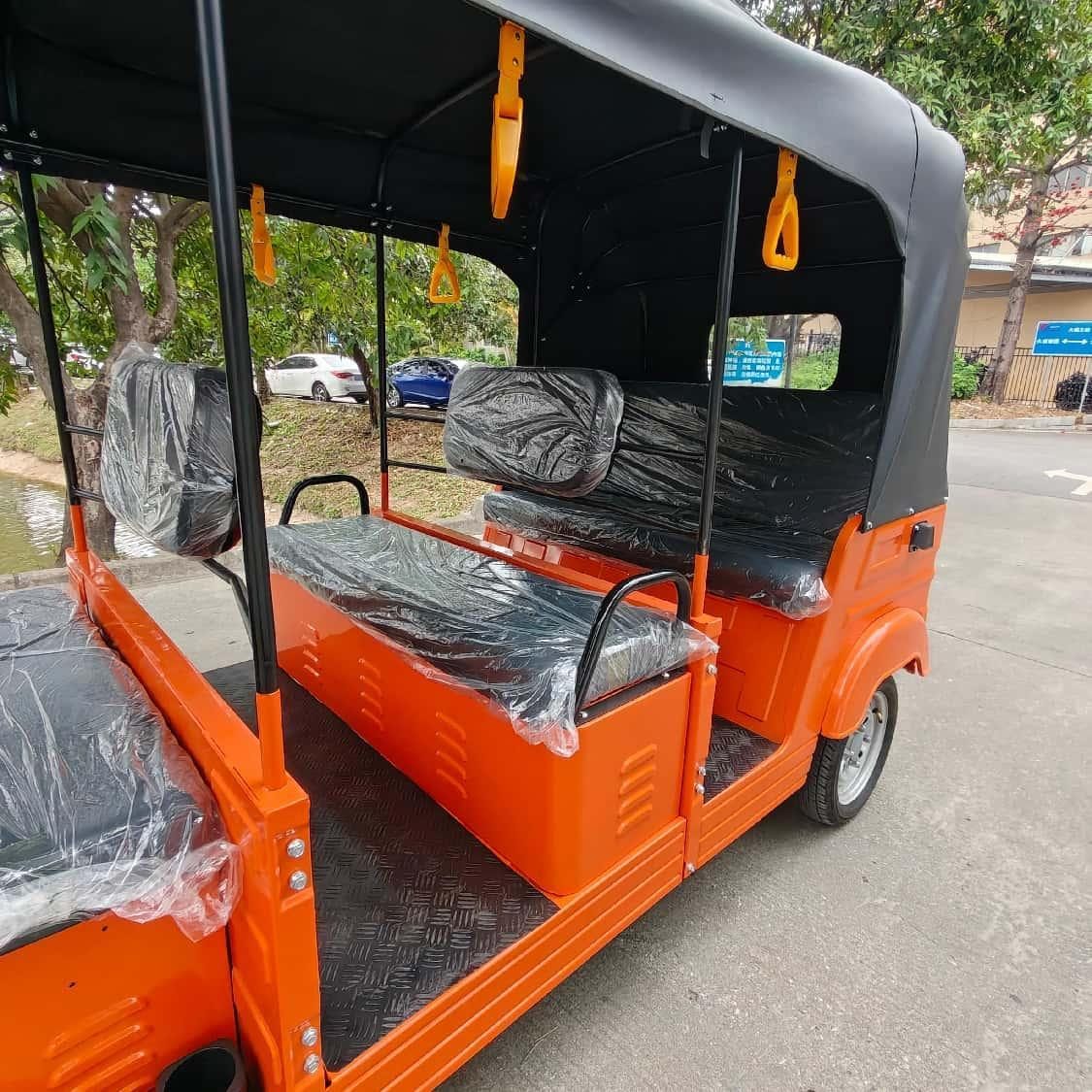
Negotiating two and three-wheeler supply directly with the factories
Supplier qualification and contract negotiation for vehicle imports into Sierra Leone, run to a checklist rather than a relationship.
- Client
- Superrays Motors and Trading Ltd
- Sector
- Vehicle distribution
- Region
- Sierra Leone / China
- Timeline
- Ongoing
- Services
- Factory shortlisting, Specification and pricing cycles, Contract negotiation
The challenge: importing through intermediaries who hold the specification
Two and three-wheeler imports into West Africa typically pass through intermediaries. The importer states a budget, receives a shipment, and discovers the specification on arrival. Warranty terms, parts availability and build variance are whatever the intermediary negotiated, or did not.
The cost is not only margin. It is that the importer never establishes a direct relationship with the factory, so the same uncertainty repeats on every order.
The approach: shortlist factories, then negotiate with them directly
ASE ran factory shortlisting, then specification and pricing cycles to a checklist, then negotiated commercial terms directly with manufacturers including Henan Niegui, BFYS and Henan Northern Yongsheng.
Running the specification and pricing cycles to a checklist is the unglamorous part that does the work. It means each factory answers the same questions in the same order, so the quotations can be compared on their content rather than on how confidently they were presented.
The checklist covers the things that decide whether an import is profitable eighteen months later rather than on arrival: engine specification and variance between build batches, parts availability and what a warranty means at four thousand miles, packing and container utilisation, and payment terms. Any one of them can turn a good unit price into a bad shipment.
The regulatory position makes the factory-side work matter more, not less. Sierra Leone is not a contracting party to the UNECE 1958 Agreement, which governs mutual recognition of vehicle type approvals; of the sixty-eight parties only three are African, and Nigeria is the only one in the region. So there is no type-approval certificate arriving with the shipment to stand in for diligence. Imports clear on destination inspection rather than pre-shipment, through ASYCUDA World, against a commercial invoice, bill of lading, packing list, certificate of origin and import declaration. Whatever the specification is going to be, it has to be established at the factory, because nothing downstream will establish it.
The results: terms agreed at the source
Commercial terms were negotiated directly with the manufacturers rather than through an intermediary, on a shortlist reached by qualification. The engagement is ongoing, so the honest measure is the quality of that supply position rather than a cumulative import figure.
What the venture holds that it did not before is a direct line to named factories and a documented basis for the terms it agreed.
3
Manufacturers negotiated with directly
Delivered
Checklist
Specification and pricing cycles run to one
Delivered
Sources
This note covers Supplier qualification and contract negotiation, recorded in the firm’s track record.